


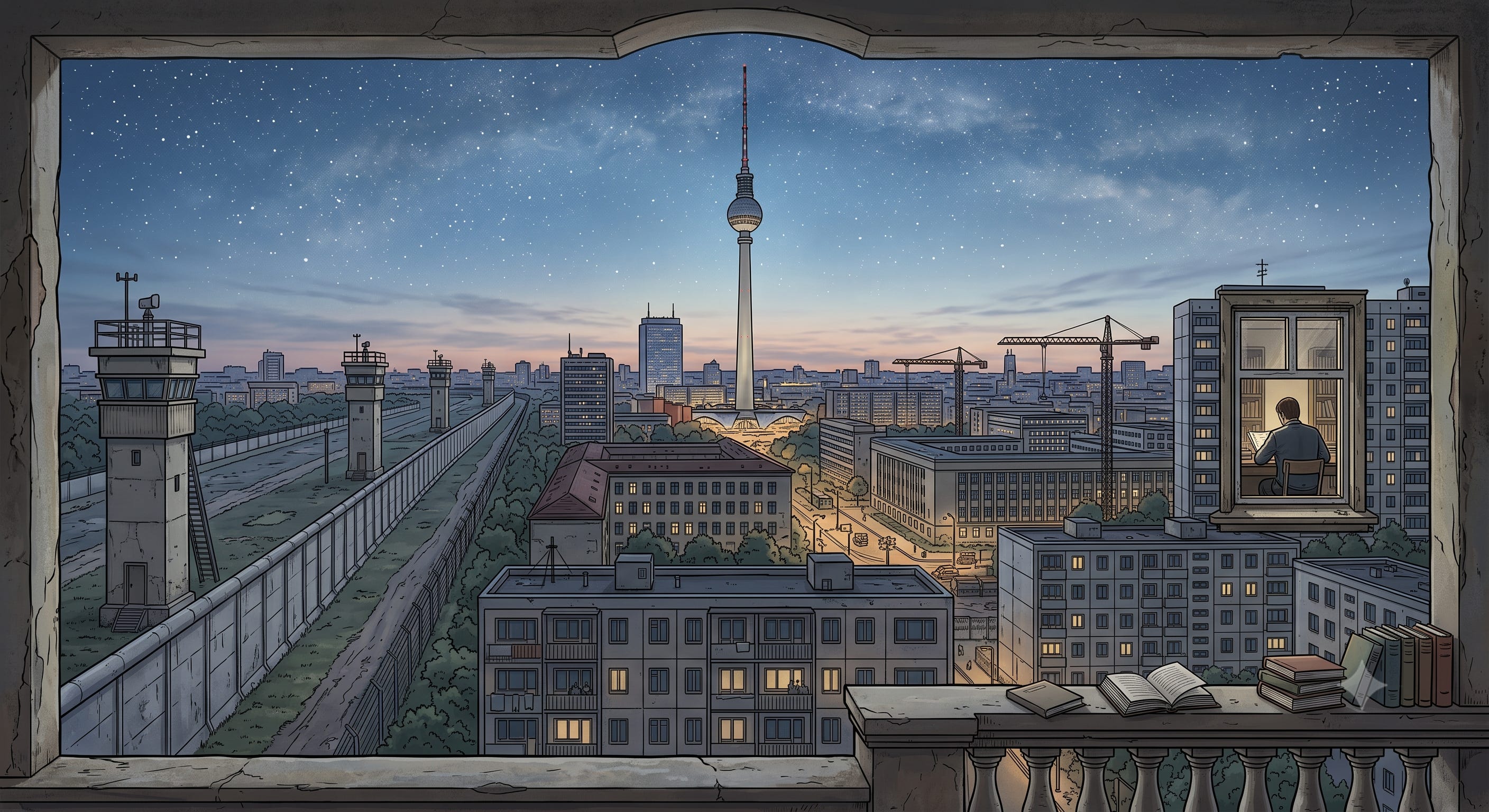
As I transition from medieval to modern philosophy, I thought it would be fun to revisit this piece from National Review on the legacy of Friedrich Nietzsche. I was invited to review a book by Philipp Felsch, which told the extraordinary story of two Italian philologists who saved Nietzsche from being utterly buried as a trash-fascist polemicist. It was one of those brain-busting reviews that I wrestled with for weeks—not a bad thing at all! It was hard precisely because it raised such interesting questions about what philosophy is, what it’s for, and how and why we should do it.
Anyway, I’m always delighted when I get offered a philosophy-related commission.
Nietzsche is one of the biggest, baddest, most brilliant of modern philosophers. As I note in the piece:
If there is such a thing as a philosophical supervillain, Nietzsche is surely a strong contender for the title. He is beloved of Nazis, nihilists, and postmodernists. Hitler once sent Mussolini a beautifully bound copy of the philosopher’s complete works as a birthday gift. Nietzsche had a profound impact on such generous, fruitful, and humane thinkers as Samuel Francis and Bronze Age Pervert, and even to this day, alienated young men are thrilling to Zarathustra, savoring the sweet daydream that they might one day push their antisocial impulses to a glorious, liberating pinnacle, becoming the Übermenschen of the next age.
Perhaps the world would have been better off without him.
It was astonishing to learn that Nietzsche, a modern thinker, might really have been buried forever behind the Iron Curtain, but for these eclectic anti-fascist Italians who dedicated their lives to saving him. And would that have been good? Would we have been happier without The Will to Power? If indeed “ideas have consequences,” aren’t the consequences of Nietzsche mostly bad?
I acknowledge at the end that “I found it hard to wish Nietzsche down the memory hole.” He’s the best nihilism-fertilizer that ever existed, but he is just... so brilliant. I can’t summon the will to cancel him. You can decide what that says about me. I myself am not sure what it says!
So I suppose I wish that Nietzsche had never written, and I don't think he's brilliant. in fact, I don't really consider him even a philosopher. he never rises to the level of argument. he takes atheism and materialism for granted in the most naive and sophomore fideist way. At bottom, Nietzsche provides no reason to believe anything that he ever says, and that's all one needs to know about him. He is admired by some thinkers that I admire, but their admiration is a symptom of their vices. in particular, his writings are a kind of pornography to intellectual, pride, and admiration of Nietzsche tends to be a symptom of intellectual pride.
Having said that, I do like to read the madman passage on Good Friday, as a meditation on the death of God, on the one day when God really was dead. I think it's actually one instance of how Nietzsche backs into Christian orthodoxy as a result of his desperate zeal to escape it. he sometimes makes a fool of himself to the benefit of those he hates. and he can be a useful reduced ad absurdum.v That's pretty much how MacIntyre uses him, I think. If you don't accept Aristotle, then you'll end up, horror of horners, with Nietzsche. So I suppose he has his uses, but he's a fool.